
Pallet trading involves the buying and selling of pallets between businesses or individuals. Pallets are essential for the transportation and storage of goods, and they are commonly used in a wide range of industries, including manufacturing, logistics, and retail.
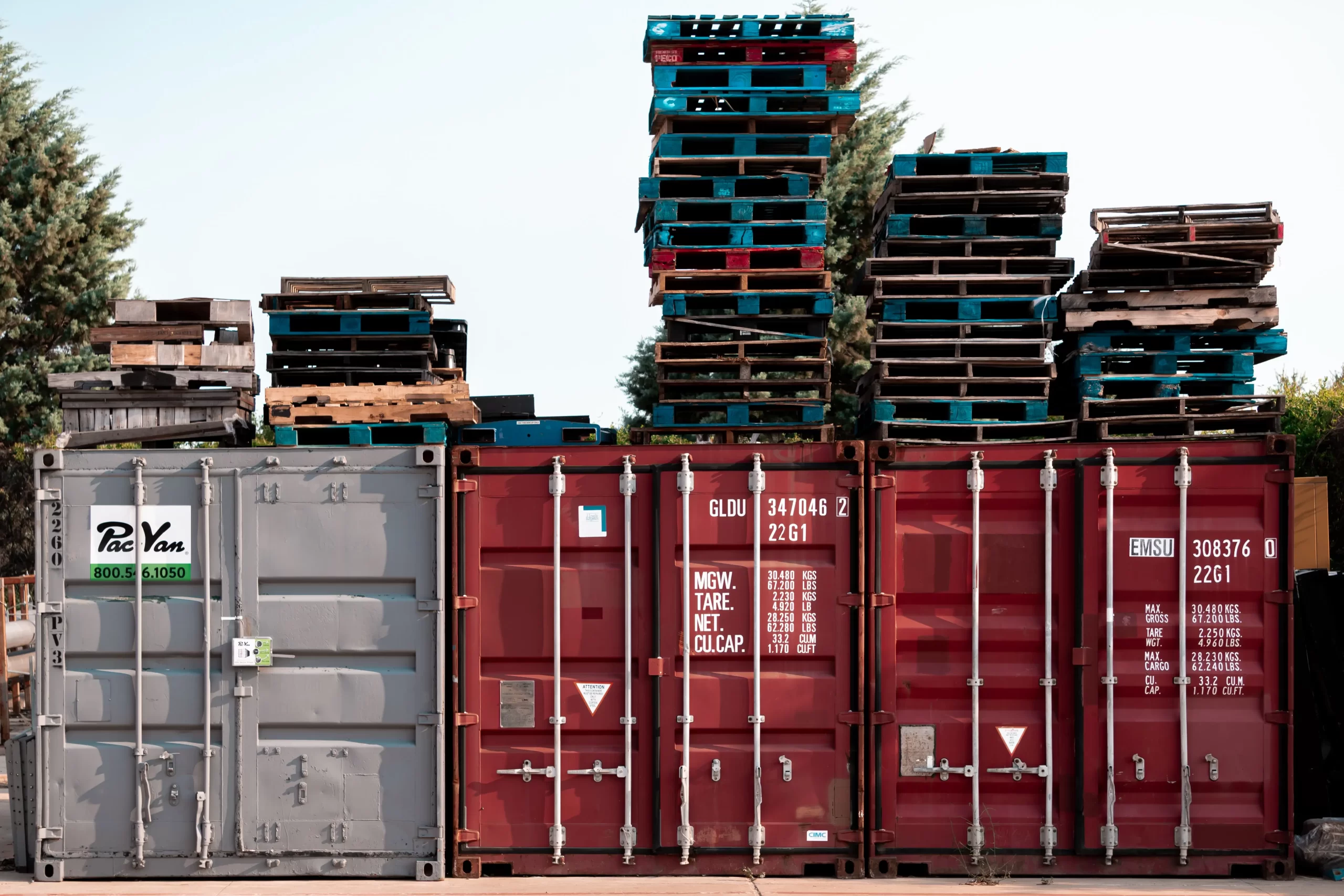
Direct sales: Pallets can be sold directly between buyers and sellers. This can involve businesses that produce pallets selling directly to end-users or distributors, or individuals buying and selling pallets through online marketplaces or other channels.
Rental: Pallet rental is a common form of pallet trading, where pallets are rented out to businesses for a set period of time. The renter is responsible for returning the pallets in good condition at the end of the rental period.
Exchange: Pallet exchange involves businesses trading pallets with each other. This can be useful in situations where one business has excess pallets they no longer need, while another business needs additional pallets.
Repair and resale: Pallets that are damaged or no longer needed can be repaired and resold. This can involve repairing broken boards, replacing damaged parts, or repurposing the pallet for a different use.
Pallet trading can be a lucrative business for those who understand the market demand for pallets and have access to a reliable supply. Some companies specialize in pallet trading, buying and selling pallets in bulk to wholesalers, distributors, and end-users.
Overall, pallet trading plays an important role in the supply chain, ensuring that businesses have access to the pallets they need to transport and store their goods efficiently and effectively.