
Pallet manufacturing is the process of producing pallets, which are flat structures used for the transportation and storage of goods. Pallets are commonly made from wood, plastic, metal, or composite materials, and they are essential for the efficient movement of goods in a wide range of industries.
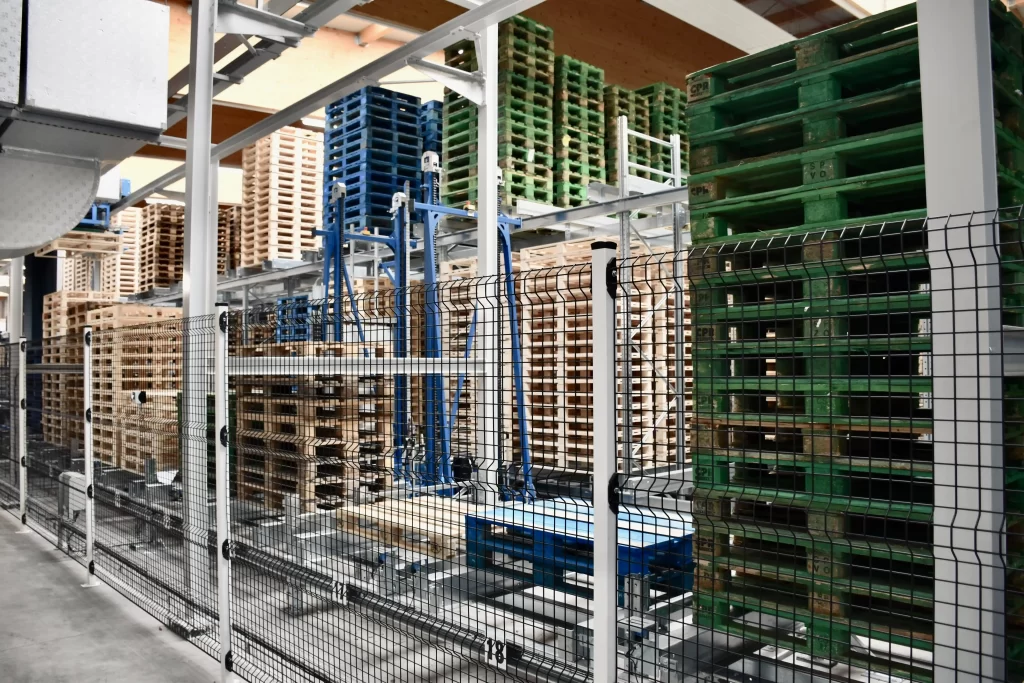
The pallet manufacturing process typically involves several stages, including:
Material selection: The first step in pallet manufacturing is selecting the appropriate materials, such as lumber for wooden pallets or plastic resin for plastic pallets. The materials used will depend on factors such as cost, durability, and intended use.
Cutting and shaping: The selected materials are then cut and shaped to the appropriate size and shape for the pallet design. This may involve using saws, routers, or other specialized equipment.
Assembly: The cut and shaped pieces are then assembled into a pallet using various techniques such as nailing, stapling, or gluing. The pallet may also include additional features such as corner blocks or metal reinforcements for added strength and durability.
Quality control: Once the pallets are assembled, they undergo a quality control process to ensure they meet industry standards and customer requirements. This may involve testing for strength, durability, and stability, as well as checking for defects such as splinters or cracks.
Shipping and distribution: Finally, the finished pallets are packaged and shipped to customers or distributors for use in transportation and storage of goods.
Pallet manufacturing can be a highly specialized process, with many companies focusing on specific types of pallets or materials. Advances in technology and automation have also led to more efficient and cost-effective manufacturing processes, allowing for greater production volumes and faster turnaround times.